
The Law of Aloha
The Heart of Our Community
Before you enter our community, we invite you to learn about the timeless wisdom that guides our conversations, our connections, and the way we treat one another.
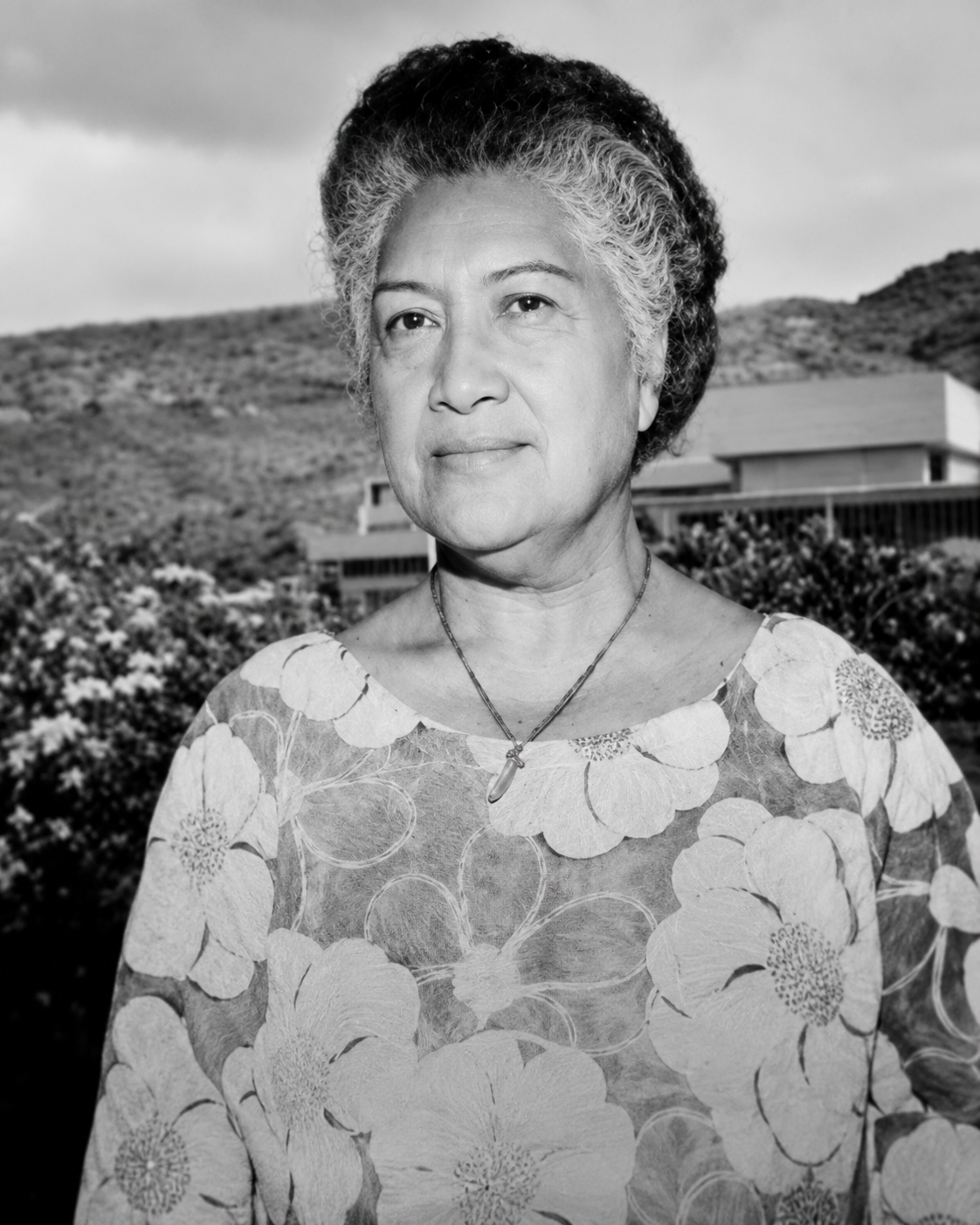
Auntie Pilahi Pākī
(1910-1985)
Kumu, philosopher, poet, educator, and cultural practitioner.
Who Was Auntie Pilahi Pākī?
Pilahi Pākī was a revered Hawaiian spiritual teacher, cultural practitioner, poet, and keeper of ancestral wisdom. Known as the Keeper of the Secrets of Hawaiʻi, she devoted her life to preserving the deeper meaning of aloha—not simply as a greeting, but as a way of living in harmony with others, the ʻāina, and all creation.
She taught that aloha calls us to practice kindness, unity, pleasantness, humility, and patience in every relationship. Her wisdom helped inspire Hawaiʻi’s Aloha Spirit Law, ensuring these values would continue guiding generations to come.
“The world will turn to Hawaiʻi as they search for world peace because Hawaiʻi has the key… and that key is Aloha.”
— Pilahi Pākī
Her teachings inspired the Hawai’i State Legislature to adopt the Aloha Spirit Law (HRS §5-7.5) in 1986. While the Law encourages public officials to consider these principles in their work, its deeper message is universal: aloha begins within each of us and is expected through the way we treat one another every day.
At Urban Kanaka, we carry this legacy forward.

Read the original Aloha Spirit Law that reflects the principles inspired by Auntie Pilahi Pākī.
The Five Principles of Aloha
Auntie Pilahi Pākī taught that Aloha is more than a greeting—it is a way of living. These five timeless principles invite us to cultivate kindness, unity, humility, patience, and gentle grace in our relationships with one another and with the world around us.
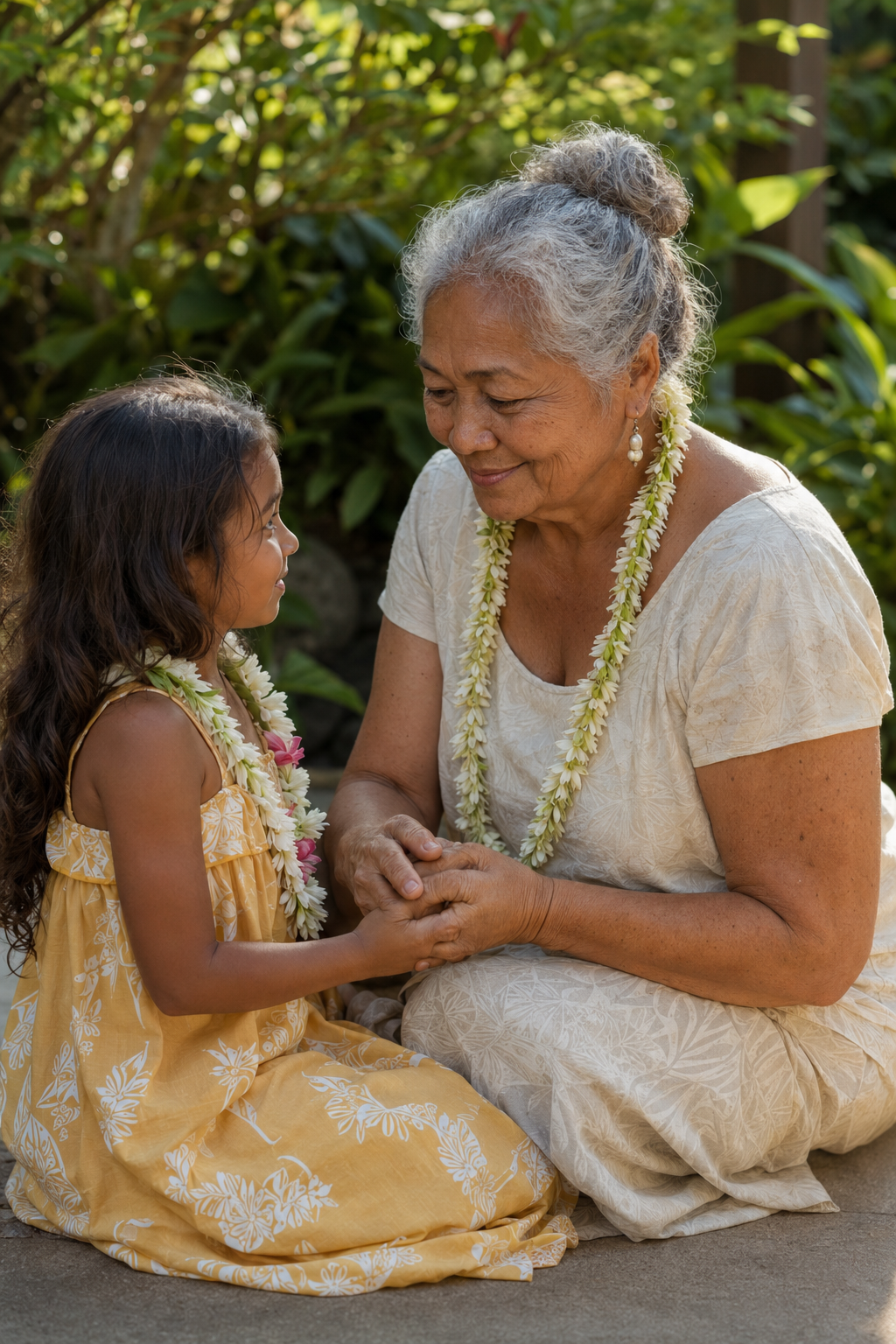
Akahai
Kindness expressed with tenderness.
Akahai is the gentle hand, the caring word, and the compassion we offer without being asked. Through tenderness, we honor the hearts of others and allow aloha to be felt.

Lōkahi
Unity expressed with harmony.
Lōkahi reminds us that we belong to one another, to the ʻāina, and to all living things. When we walk together in harmony, our many strengths become one shared purpose.
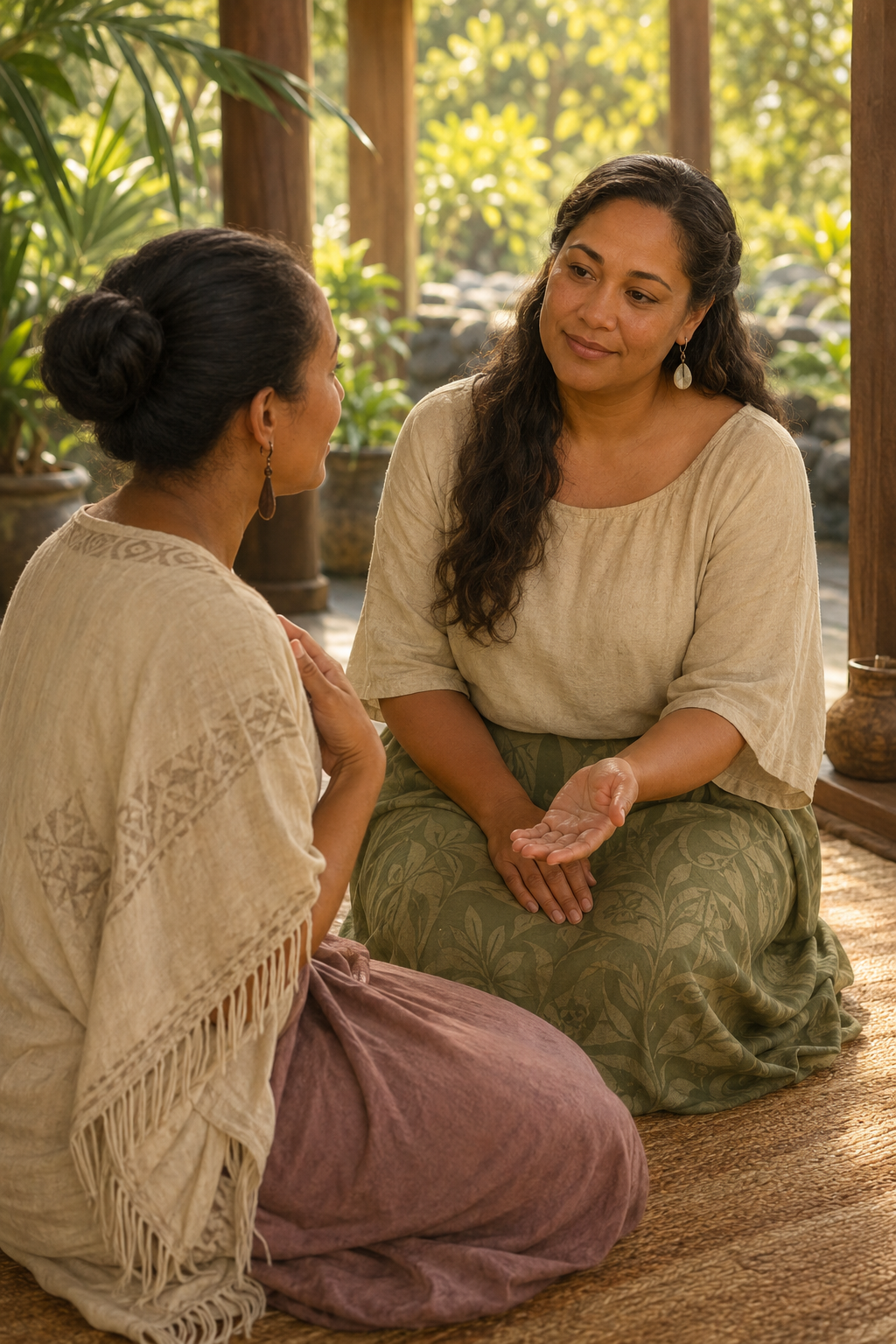
ʻOluʻolu
Pleasantness expressed with grace.
ʻOluʻolu invites us to meet others with patience, warmth, and gentle understanding. Even when our paths differ, we can listen with an open heart and respond in the spirit of aloha.
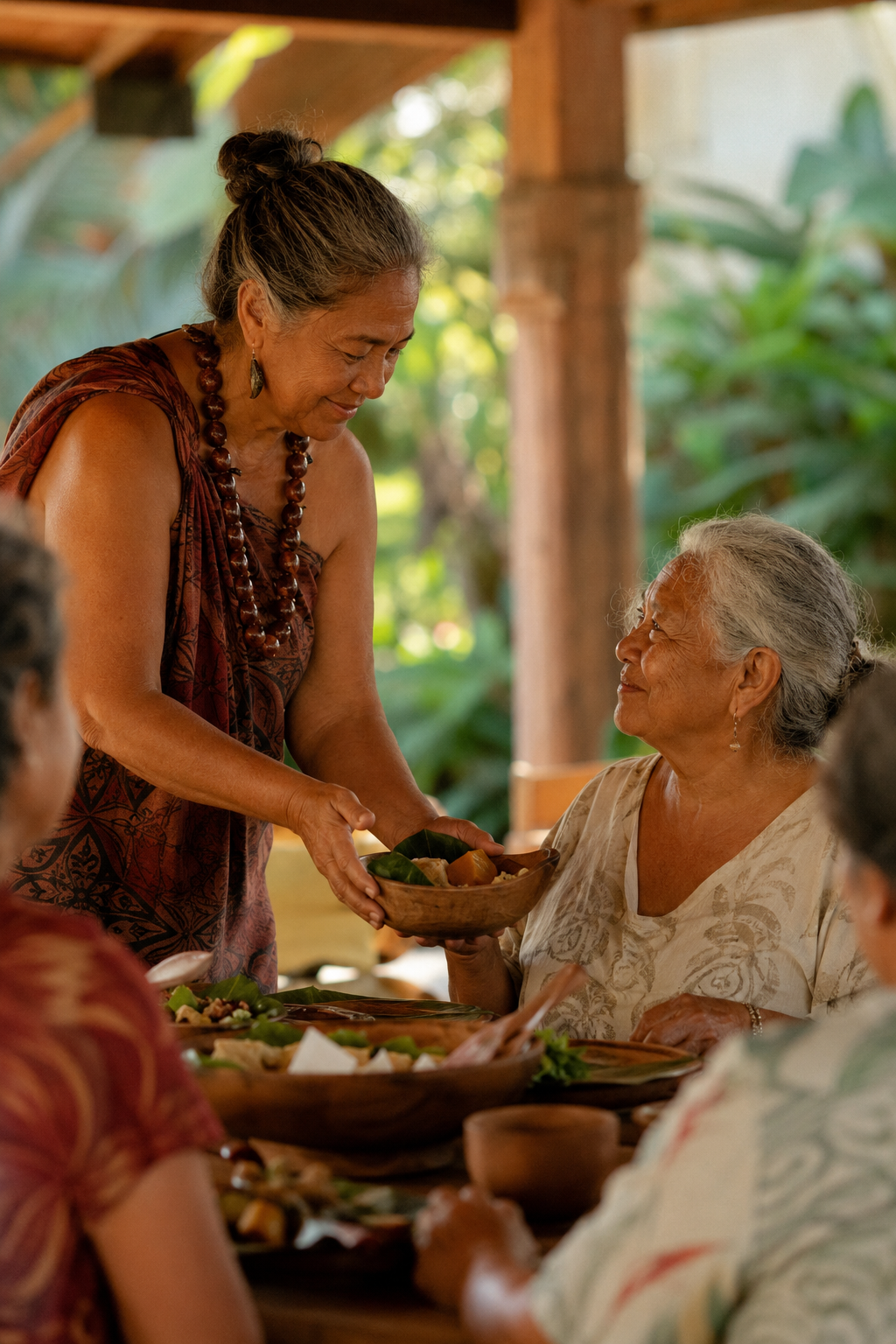
Haʻahaʻa
Humility expressed with
modesty.
Haʻahaʻa teaches us to serve without seeking praise and to walk gently upon the earth. True humility does not make us smaller; it roots our strength in gratitude, respect, and quiet grace.
Ahonui
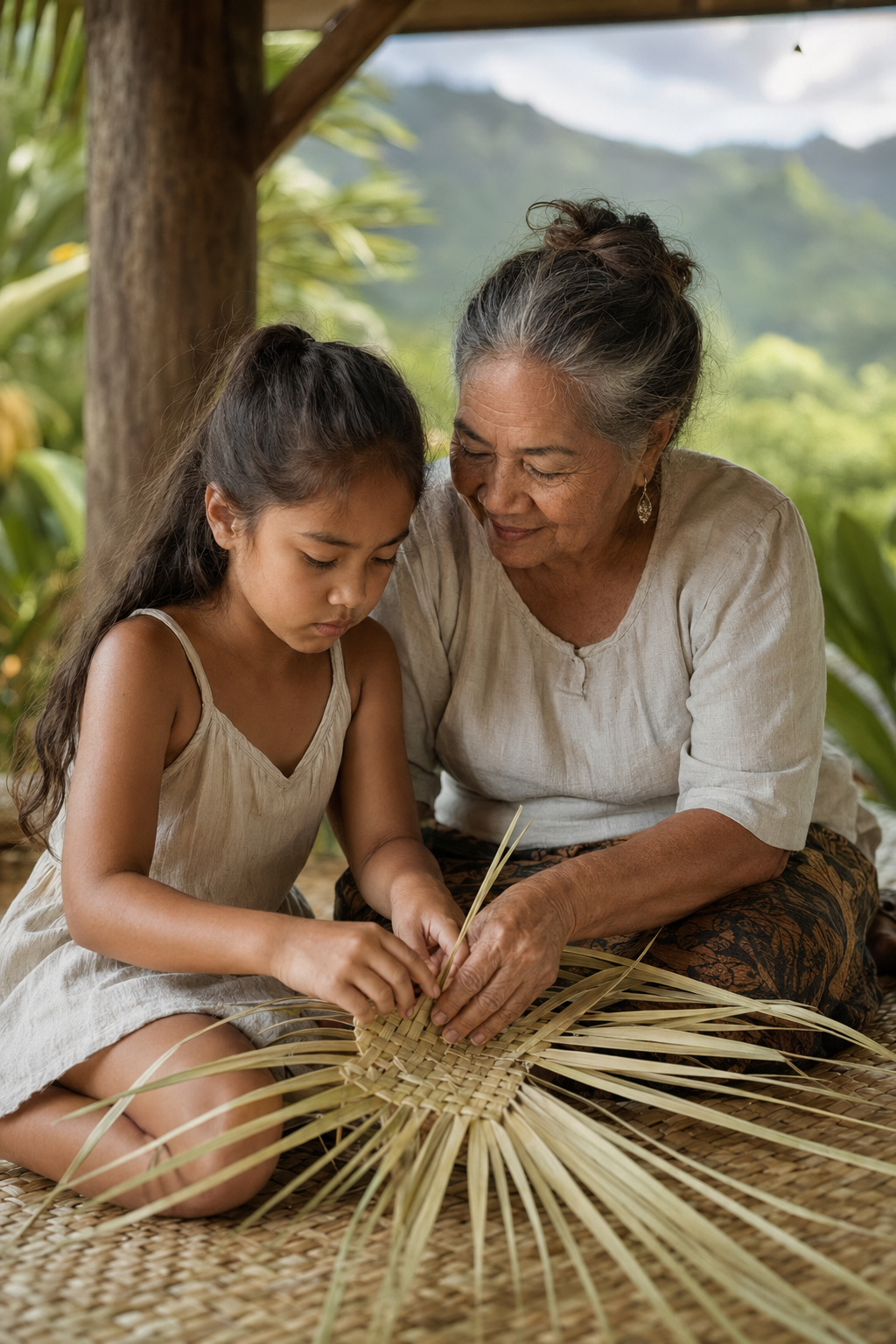
Patience expressed with perseverance.
Ahonui is the steady heart that trusts the unfolding of time. With patience and loving perseverance, we continue forward—allowing ourselves and others the grace to learn, grow, and begin again.